Highbury and Islington station rubbish drop off guide
If you are trying to get rid of waste around Highbury and Islington station, the process can feel oddly complicated for something that should be simple. Bags are heavy, pavements are busy, and one wrong move can turn a quick tidy-up into a messy fine, a blocked entrance, or a lot of awkward lifting on the way home. This Highbury and Islington station rubbish drop off guide is here to make the whole thing clearer. It covers how rubbish drop off usually works in practice, what to watch for, what to avoid, and when a proper removal service makes more sense than dragging everything yourself through a crowded local station area.
Whether you are clearing a flat, dealing with packaging after a move, or sorting out heavier household junk, the key is to handle waste safely and legally. You do not need to overthink it, but you do need a plan. Let's make it a bit easier.
Why this guide matters
Highbury and Islington is one of those places where the footfall is constant and the kerbside space feels like it disappears the second you need it. That matters because rubbish drop off is never just about "getting rid of stuff". It is about timing, handling, access, and not causing problems for neighbours, businesses, or passers-by.
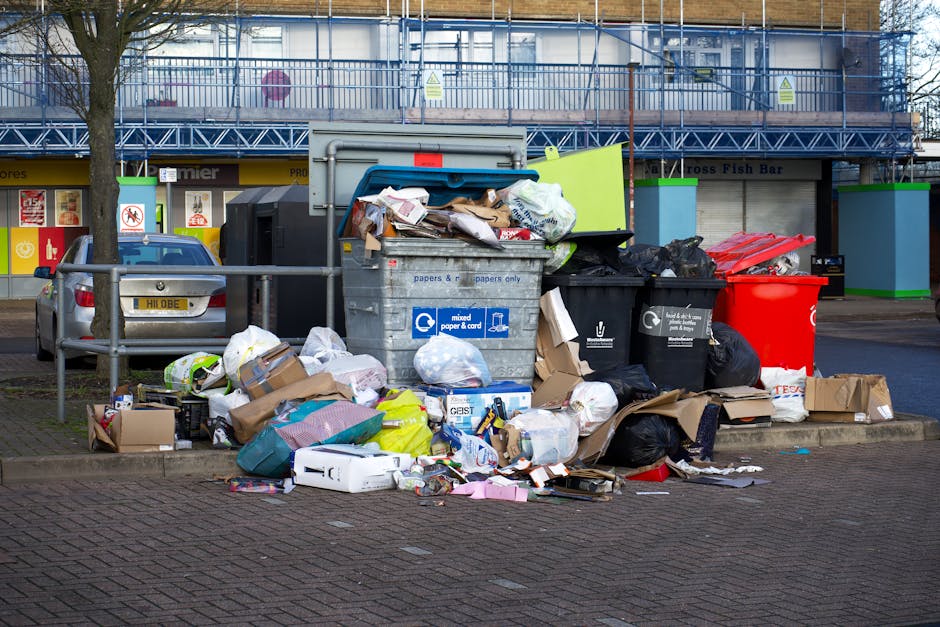
There is also the simple reality that rubbish left outside a station area can quickly become a nuisance. Rain soaks cardboard, bin bags split, and loose items can blow across the pavement. On a weekday morning, nobody wants to weave around a pile of furniture or a stack of black bags while trying to catch a train. Truth be told, the station environment is not forgiving of sloppy waste handling.
This is why a clear guide helps. It gives you a way to sort your waste properly, decide what can be moved easily, and avoid making expensive or inconvenient mistakes. It is useful for households, landlords, office teams, and anyone doing a last-minute clear-out near the station.
Expert summary: The safest rubbish drop off plan is usually the one that reduces carrying distance, avoids leaving waste unattended, and separates ordinary waste from bulky, hazardous, or specialist items before you start.
How rubbish drop off works
In everyday terms, a rubbish drop off guide helps you decide where waste should go, how it should be prepared, and what method is most suitable. Around a station area like Highbury and Islington, the practical choice often depends on the type and volume of rubbish rather than just convenience.
Here is the basic flow:
- Sort the waste. Separate general rubbish, cardboard, bulky items, reusable goods, electrical items, and anything hazardous or restricted.
- Check the access route. Think about stairs, tight hallways, lifts, traffic, and whether you will be carrying bags through busy pedestrian areas.
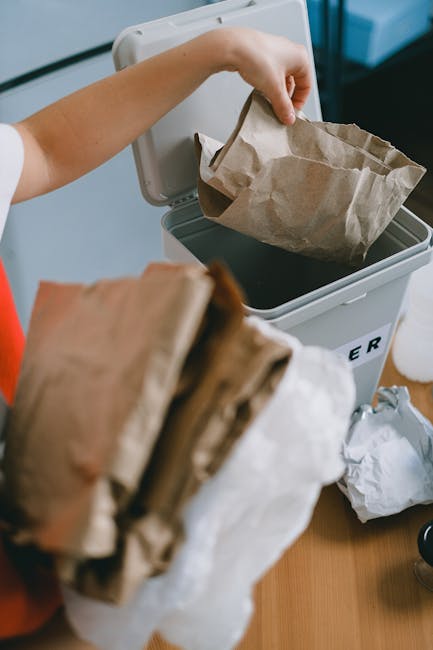
- Pack safely. Use strong bags, tape up loose boxes, and avoid overfilling anything that might split halfway there.
- Choose the disposal method. That might be a local drop-off route, a private collection, a skip alternative, or a full waste removal service.
- Dispose responsibly. Make sure the waste ends up in the right stream for reuse, recycling, or lawful disposal.
For many people, the last step is where things go wrong. It is tempting to think "I'll just leave it near the station for later" or "someone will sort it out". That is exactly the kind of shortcut that causes trouble. Waste needs a proper destination, not a hopeful one.
If you are dealing with larger quantities, it can be smarter to look at waste removal or a more tailored service such as flat clearance, especially if stairs, time pressure, or awkward items are involved.
Key benefits and practical advantages
A good rubbish drop off plan does more than clear space. It makes the whole job feel manageable. That may sound obvious, but anyone who has lugged three bags too many down a wet street at 7:30 in the morning knows the difference.
- Less stress: You know what is going where, and the job stops feeling chaotic.
- Faster clear-out: Good sorting means fewer return trips and fewer "oh, I forgot that" moments.
- Safer handling: Proper packing reduces cuts, lifting strain, and bag splits.
- Better compliance: You are less likely to leave waste in the wrong place or hand over items that need specialist handling.
- Cleaner result: A well-managed drop off leaves the area tidy, which matters a lot around busy transport links.
There is also a less obvious benefit: better judgement. Once you understand what rubbish you have, you can tell the difference between a simple bag job and a removal task that really should not be done on your own.
For bulky household items, explore options like furniture disposal or mattress and sofa disposal. Those items are a classic example of waste that looks easy until you reach the stairs.
Who this is for and when it makes sense
This guide is useful if you are:
- moving out of a flat near Highbury and Islington station
- clearing post-renovation waste
- getting rid of packaging after a delivery
- sorting out office clutter
- handling a garage, loft, or storage clean-up
- dealing with a handful of bulky household items
It also makes sense if you are a landlord or letting agent dealing with turnover between tenancies. In those situations, waste tends to show up in odd little pockets: a broken chair in one room, old boxes in a corner, and a surprise bag of mixed junk in the hallway. Not glamorous, but very common.
If you are clearing a workplace, a more structured service such as office clearance or business waste removal may save you time and help keep records cleaner. For larger domestic projects, house clearance or home clearance can be more appropriate than piecemeal drop off.
When does it stop making sense to do it yourself? Usually when the items are heavy, awkward, dirty, mixed, or simply too much for one decent afternoon.
Step-by-step guidance
Here is the practical way to approach rubbish drop off near Highbury and Islington station without making life harder than it needs to be.
1. Make a full waste pile first
Gather everything in one place before you start moving it. This sounds basic, but it gives you the full picture. A single bag is rarely the whole story. Once all the clutter is visible, you can judge whether you are dealing with general rubbish, recyclable packaging, old furniture, or mixed waste.
2. Separate the obvious categories
At minimum, split waste into these groups:
- general rubbish
- cardboard and packaging
- bulky items
- electrical or appliance waste
- hazardous or restricted materials
Keeping those apart prevents a lot of headaches later. It also helps you decide whether some items could be reused, recycled, or need special handling.
3. Watch for specialist items
Fridges, freezers, certain chemicals, paints, batteries, and some electricals are not the same as ordinary household rubbish. They may require separate collection or specialist disposal. If you are unsure, stop and check before moving them anywhere. Guesswork is a bad friend here.
For appliances, a dedicated fridge and appliance removal service is often the safer route. For anything potentially dangerous, look at hazardous waste disposal rather than trying to squeeze it into a standard rubbish plan.
4. Pack and label for lifting
Use sturdy bags or boxes. Keep weight sensible. If a bag feels like it contains half a wardrobe, it probably does. Label anything that could be confused with recycling or reuse, especially if more than one person will handle it.
5. Decide on transport
Can you carry it safely, or will it be easier to arrange a collection? Around a station location, carrying waste can be the slowest part of the whole job, especially if you are dodging commuters, buses, and the odd impatient cyclist. If the route is awkward, collection is usually the calmer option.
6. Finish with a clean sweep
Check the original storage spot, hallway, or entry path for stray screws, tape, polystyrene bits, or broken packaging. A final sweep takes two minutes and saves that annoying "why is there still rubbish here?" moment later.
Expert tips for better results
The best tips are usually the unglamorous ones. Small things. The kind that save you hassle without making a big song and dance about it.
- Plan around peak footfall. Early morning or later in the day can be easier than trying to haul bags through a crowded station area at lunchtime.
- Use smaller loads. Two manageable trips beat one miserable trip with a bursting bag.
- Keep wet and dry waste separate. Wet cardboard and soaked paper become heavier, messier, and far less pleasant to handle.
- Protect floors and stairwells. A blanket or sheet can stop dirt being tracked through a property.
- Ask yourself what the waste actually is. Some things are rubbish. Some are reusable. Some need specialist treatment. That question alone saves mistakes.
In our experience, people often overestimate how much they can physically move and underestimate how awkward waste becomes once it is packed. Rubbish has a way of becoming twice as annoying after 5pm. Strange but true.
If your clean-out includes old storage boxes, junk from a loft, or forgotten bits in a garage, services such as loft clearance and garage clearance are worth considering. They are often the difference between "I'll do it this weekend" and "I'm glad that's over".
Common mistakes to avoid
Most waste problems come from a handful of predictable mistakes. Thankfully, they are easy to avoid once you know them.
- Leaving rubbish unattended. Even briefly. It can attract complaints, block access, or get damaged by weather.
- Mixing everything together. Once waste is mixed, sorting it becomes harder and may reduce recycling options.
- Ignoring heavy or sharp items. Broken furniture, glass, nails, and metal edges cause avoidable injuries.
- Assuming all waste can be dropped off the same way. It cannot. Some items need separate handling.
- Overfilling bags. This is the classic mistake. The bag splits at the worst possible moment, naturally.
- Forgetting access constraints. A lift might be small, a staircase narrow, or the entrance blocked at the exact time you need it.
A quieter mistake, but still common, is underestimating the value of a proper quote. Knowing the likely cost before you start can make the decision much easier. If you want a clearer idea of pricing, a page like pricing and quotes is a useful starting point.
Tools, resources and recommendations
You do not need a van-load of equipment to handle rubbish properly, but a few practical tools help a lot.
- Heavy-duty bin bags: Better than thin bags that split halfway down the street.
- Strong tape: Handy for securing boxes, sharp edges, or loose lids.
- Gloves: Simple, but worth it for lifting and sorting.
- Trolley or sack barrow: Useful if you have a heavier load and a safe route.
- Marker pen: Great for labelling "recycle", "keep", and "dispose".
As a broader planning tool, what can go in a skip is a helpful reference when you are comparing disposal methods. Even if you are not hiring a skip, it can sharpen your judgement about what counts as general mixed waste versus specialist material.
For people who care about reducing waste overall, recycling and sustainability is worth reading alongside this guide. It keeps the focus on reuse and responsible disposal rather than just speed.
Law, compliance and best practice
Waste handling in the UK is not something to take casually. You do not need to memorise legislation to make sensible choices, but you should follow the basic duty of care principle: keep waste secure, transfer it responsibly, and make sure it goes to the right place.
Best practice also means thinking about neighbours, shared entrances, and public space. In a busy location like Highbury and Islington, that matters more than people sometimes realise. A tidy, short-lived drop off is one thing. Bags left by a wall because "collection is later" is another.
Some items deserve extra caution because they may be regulated, sensitive, or dangerous in practice. Confidential paperwork, for example, should not be mixed in with general rubbish. If you are clearing offices or home paperwork, confidential shredding is a more appropriate option.
It is also wise to choose providers that are clear about safety, insurance, and handling standards. Pages such as insurance and safety and health and safety policy show the sort of commitment you should expect from a responsible waste company. No drama, just sensible reassurance.
Options, methods, or comparison table
Different waste situations call for different methods. Here is a straightforward comparison to help you decide.
| Method | Best for | Advantages | Limitations |
|---|---|---|---|
| Self drop off | Small, light amounts of general rubbish | Simple if access is easy and volume is low | Time-consuming, physically demanding, not ideal for bulky items |
| Private collection | Mixed household waste, bulky items, time-sensitive clear-outs | Less lifting, quicker, more convenient | May cost more than doing it yourself |
| Specialist disposal | Appliances, hazardous items, confidential waste | Safer and more compliant | Requires the right service for the item type |
| Full clearance service | Flats, homes, offices, garages, lofts | Best for larger or messy jobs, less disruption | Usually unnecessary for tiny one-off loads |
If you are deciding between methods, try one question first: how much of this job is waste handling, and how much is just lifting things up and down stairs? That usually tells you everything.
Case study or real-world example
A fairly typical situation: someone in a top-floor flat near Highbury and Islington station has just finished a room refresh. There are cardboard boxes from new furniture, an old bedside table, a bag of mixed household rubbish, and an appliance that no longer works. At first, it looks like a straightforward drop off job.
But then the details start stacking up. The cardboard is light, yes, but bulky. The bedside table is awkward down the stairwell. The appliance needs separate handling. The bag of mixed rubbish is fine, but there is no point dragging everything out in one go if the corridor is narrow and there is no good place to leave it safely. A quick plan suddenly saves an hour of back-and-forth.
In that kind of scenario, the smarter approach is often to bundle the cardboard and general rubbish separately, then arrange specialist handling for the appliance. If more items are involved, the person might move from self-managed drop off to a more complete service such as flat clearance or even targeted furniture clearance. Nothing fancy. Just practical.
The real lesson? The "small job" often becomes a "medium job" the moment you open the cupboard and start pulling things out. Happens all the time.
Practical checklist
Use this checklist before you move anything.
- Have I sorted waste into clear categories?
- Do any items need specialist disposal?
- Are bags and boxes strong enough to carry safely?
- Is the route clear and safe to use?
- Will the waste be left unattended at any point?
- Have I checked whether bulky items need a removal service?
- Do I know which items can be recycled or reused?
- Have I allowed enough time so I do not rush?
- Do I have gloves, tape, and a trolley if needed?
- Is there a better option than self-drop off for this load?
If you can answer yes to most of those, you are in good shape. If not, pause and reassess. A small delay is cheaper than a messy mistake.
Conclusion
A sensible rubbish drop off plan near Highbury and Islington station starts with sorting, safe handling, and an honest look at what you can reasonably move yourself. Small, light loads may be manageable. Bulky furniture, appliances, mixed waste, or anything potentially hazardous usually call for a more deliberate approach. The aim is not just to get rid of clutter. It is to do it cleanly, safely, and without turning a local errand into a stressful day out.
When you choose the right disposal route, everything feels easier. The flat looks better. The hallway stays clear. And you get that satisfying moment when the last bag is gone and the place finally breathes again. Nice feeling, that.
Get a free quote today and see how much you can save.
If you are ready to take the next step, start with the kind of service that matches your waste, your access, and your timeline. A quick decision now can save a lot of lifting later.
Frequently Asked Questions
Can I just leave rubbish near Highbury and Islington station for collection?
No, that is not a good idea. Waste should not be left unattended in public or shared areas, especially near a busy station. It can obstruct access, create complaints, or be treated as fly-tipping depending on the circumstances.
What types of rubbish are easiest to drop off myself?
Light general household rubbish and neatly packed cardboard are usually the easiest, provided you have a safe route and can carry them without strain. Once items become bulky, wet, sharp, or mixed, self drop off gets much harder.
What should I do with a broken fridge or freezer?
Do not treat it like normal rubbish. Fridges and freezers are best handled through a dedicated appliance route, such as fridge and appliance removal, because they often need separate processing.
Is this guide useful for office rubbish too?
Yes, but office waste often needs a more structured plan. Paper, confidential documents, packaging, furniture, and electrical items may all need different handling. For larger workplace clear-outs, office clearance is usually more practical.
How do I know if an item is hazardous?
If it contains chemicals, batteries, oils, paints, sharp residues, or anything that might leak, burn, or contaminate other waste, treat it cautiously. When in doubt, keep it separate and use specialist advice or disposal.
What is the safest way to move heavy rubbish through a flat?
Use small loads, good gloves, and a clear route. Avoid dragging items that can damage flooring or walls. If the item is too heavy or awkward, it is usually safer to arrange collection rather than forcing it through stairs and corners.
Can furniture be dropped off as part of normal rubbish?
Usually not in the same way as bagged household waste. Furniture often needs separate handling, especially if it is large, damaged, or hard to move. Services like furniture disposal are a better fit.
What if I only have a small amount of waste?
Then a simple self-managed drop off plan may be enough, as long as the items are safe to carry and allowed in your chosen disposal route. Small loads are often best dealt with quickly before they turn into a bigger pile.
How can I avoid making a mess during rubbish removal?
Pack properly, keep wet and dry items apart, and do a final sweep for loose bits and broken packaging. A little preparation goes a long way. It is boring, but it works.
When should I choose a clearance service instead of doing it myself?
Choose clearance when the load is bulky, heavy, mixed, time-sensitive, or tied to a move, renovation, or tenancy change. In those situations, a service like waste removal or house clearance often saves time and effort overall.
Can I recycle everything if I sort it carefully?
Not everything, no. Sorting helps a lot, but some waste cannot be recycled in the normal sense and some items need specialist processing. The best approach is to separate materials sensibly and treat anything uncertain with caution.
How do I keep costs under control?
Only pay for the level of help you actually need. Small loads may suit self drop off, while larger jobs are often cheaper in practice when you factor in time, transport, and the risk of damage or injury. Reviewing pricing and quotes can help you compare properly.