Commercial Waste in Highbury
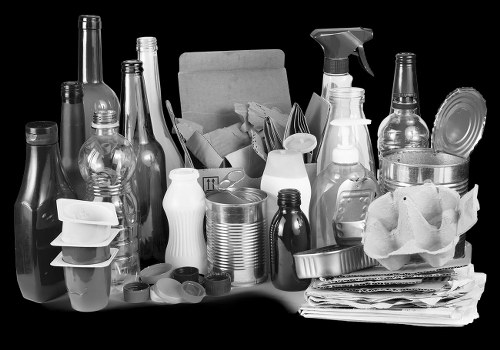
Commercial waste in Highbury should be handled in a way that is tidy, lawful and suited to the size of the job, whether that means a one-off office clearance, regular business waste removal or a mixed load that includes recyclable material. Our service is set up to help businesses deal with everyday refuse, bulky items and site-based clear-outs without turning collection into a disruption. The aim is straightforward: remove unwanted commercial waste efficiently and leave the space ready for normal use again.
We work with a broad range of commercial premises, from offices and studios to shops, cafés and shared workspaces. That can include paper and packaging, unwanted fixtures, shelving, stock-room contents, old furniture and other non-domestic waste streams that need careful sorting. Where items can be separated for recycling, we do so with a practical, waste-first approach rather than treating everything as general rubbish. Pricing and quotes can be discussed once the load and access details are known.
If you are planning a clear-out, it helps to gather a rough idea of what needs removing, especially for larger or mixed loads. A short note on access, loading space and any awkward items can make the process smoother, while photos are useful when the waste contains bulky fittings or a combination of materials. For a simple starting point, you can book online or contact us to discuss the right approach.
Office Waste Removal and Workplace Clearances
Office waste removal often involves more than just bin bags. Desks, chairs, filing cabinets, partition materials, packaging, archive paperwork, and outdated equipment can build up during refurbishment, relocation or routine decluttering. A good clearance service should be organised around access, disposal category and the amount of lifting involved, so the workspace can return to use with minimal interruption. We handle office loads in a practical way and can remove both light waste and heavier office furniture where needed.
For workplaces, the difference between a neat clear-out and a messy one often lies in sorting. Paper waste, cardboard, shelving, electronics and general furniture may need different handling, especially if a business wants to keep recyclable material separate. Office clearance is useful when the job goes beyond ordinary waste removal and includes a fuller sweep of a suite, floor or back office. If the clearance includes mixed contents, it is worth setting out the priorities in advance so the removal plan matches the site.
Typical office-related waste may include:
- Desks, chairs and meeting-room furniture
- Cardboard, paper and packaging waste
- Archived paperwork and filing cabinets
- Broken fixtures, fittings and storage units
- Outdated office equipment and miscellaneous clear-out items
Business Waste Removal for Ongoing and One-Off Needs

Business waste removal is not the same as domestic collection. Commercial premises often produce mixed waste streams, and the service has to reflect the working environment rather than a household routine. Shops, small warehouses, hospitality venues and shared premises can all generate waste that needs prompt removal, space-saving handling and sensible segregation. Our approach is to remove the load in a way that suits the site and the type of material, with attention to keeping access routes clear.
Some customers need a one-off uplift after a refit, stock change or end-of-lease tidy-up; others have recurring waste that must be dealt with alongside day-to-day operations. Where waste is bulky or awkward, it can be combined with related services such as waste removal or a more focused clearance if the area contains furniture and fixtures. The right scope depends on what is on site, how it is stored and whether the waste is ready for collection or needs moving from different parts of the property.
Good preparation is usually simple. Keep the waste together where possible, separate anything that should stay on site, and make sure the collection point is realistic for loading. If the premises have narrow access, shared entrances or specific time windows, those details matter because they affect how the work is organised. A short written summary can be enough to begin, and you can always ask for a quotation once the scale of the job is clear.
Furniture Disposal and Bulky Item Removal
Bulky furniture can take up disproportionate space in commercial premises, especially when offices, reception areas or hospitality settings are being updated. Furniture disposal needs to account for lifting, dismantling where necessary and safe movement through the building. We remove items such as desks, chairs, tables, cabinets, shelving and other large fittings that no longer serve the business. The emphasis is on clearing usable floor space without leaving the site cluttered with broken pieces or loose components.
When furniture forms part of a wider office or business clearance, it can be sensible to combine the work rather than booking separate visits. If the items are primarily household-style pieces used in a commercial setting, furniture disposal may fit the job more closely; where the load is mainly office-based, the broader clearance option may be more relevant. Either way, it helps to identify any items that need dismantling, as this can affect how the collection is planned.
We also see mixed loads where furniture sits alongside packaging, soft furnishings, fixtures and general waste. In those cases, the service is not simply about taking away the largest objects; it is about removing the whole unwanted group in a controlled way. Practical sorting and careful handling make the difference between a rushed uplift and a proper commercial clearance that leaves the space ready for its next use.
Furniture and Fixture Disposal Options

Some commercial spaces need more than the removal of standalone furniture. Shelving systems, counter units, reception fittings, storage cupboards and broken fixtures can all become part of a clearance when a premises is being reconfigured. This type of work is often more effective when approached as a combined removal rather than item by item, because the fixtures may be fixed, partially dismantled or tangled with other waste. Our service is aimed at helping customers deal with those mixed loads in a structured manner.
For businesses comparing options, the main decision is whether the job is best treated as a targeted item removal or a broader clear-out. A few items may be handled through a focused furniture collection, while a fuller strip-out may sit better under business waste removal or a dedicated office clearance. The right choice depends on the volume, the materials involved and whether the waste is already separated from the fixtures you want to keep.
Before arranging collection, it is useful to think about which items are fixed, which can be dismantled and which are simply heavy. That distinction matters because it affects the removal method and the time needed on site. For customers who want a cleaner result, this is often the point where a short discussion about scope saves extra handling later. A clear list of items, plus any access notes, is usually enough to request a quotation with confidence.
Recycling, Sorting and Responsible Disposal

Responsible commercial waste handling begins with sorting. Many business clearances contain a blend of paper, cardboard, plastics, timber, metal, furniture and general residual waste, and not all of it should be treated in the same way. Separating materials where possible supports a cleaner clearance and can improve how the job is managed overall. We can help with loads that include recyclable items as well as materials that need a more ordinary disposal route.
The service also needs to be realistic about limitations. Contaminated waste, mixed materials and items with specialist handling requirements should be identified early so the collection can be planned properly. Recycling and sustainability is relevant where customers want a better understanding of how waste streams may be separated or diverted, while hazardous waste disposal is the type of service to consider for materials that need extra care and should not be mixed with standard commercial rubbish.
Choosing the Right Clearance for Your Premises
Commercial clearances vary because premises vary. A small office may only need a few desks removed, while a retail back room might contain shelving, packaging and stock-related waste, and a larger workplace could need a fuller sweep. Choosing the right service is mainly about matching the scope to the space. If the job is concentrated in one room or storage area, a targeted collection may be enough; if the contents are spread across several areas, a broader clearance is usually more sensible.
The same logic applies when deciding between single-item removal and a more comprehensive service. One useful rule is to look at whether the task is mainly about volume, variety or location. Volume suggests a larger clearance, variety suggests a mixed-load service, and location suggests a focus on access and loading. If you are unsure, a brief description of the items and the premises is usually enough to indicate which option fits best, and it avoids booking a service that is either too narrow or too broad.
For businesses with regular waste needs, consistency matters as much as urgency. If the waste tends to build up in predictable places, it may be easier to plan removals around opening hours, deliveries or stock movement. That keeps the workflow steady and avoids clutter becoming a recurring issue. When the time comes to move ahead, the simplest next step is to request a quotation based on the actual items and the access at the site.
About Highbury
Highbury is an area in the London Borough of Islington, in north London, and its identity is shaped by a mix of residential streets, parks, transport links and long-established neighbourhood landmarks. The name is closely associated with Highbury Fields, one of the largest open spaces in Islington, which gives the district a broad green centre within a dense urban setting. The area grew through suburban development during the nineteenth century, with many of the streets laid out as terraces and mansion blocks that still give parts of Highbury a distinctly historic residential character. Highbury Corner remains a notable junction in the local road network, and the wider district is connected to the surrounding parts of Islington through a network of rail, Underground and bus routes. Arsenal’s former Highbury Stadium site also forms part of the area’s recent history, linking local identity with a well-known sporting past. Highbury Barn, once a rural hamlet and later a social destination, appears in the area’s older history as a reminder of how the district evolved from open land into an urban neighbourhood. Alongside the built streets, the open space of Highbury Fields and smaller local gardens contribute to a setting that feels both settled and well-used. The area’s architecture includes a strong stock of period housing, alongside later redevelopment and mixed commercial uses, which together reflect how Highbury has continued to change while retaining its recognisable local character.
Clearer Workspaces and Smarter Waste Handling
Commercial waste removal is often most effective when it is tied to a clear outcome: restoring space, reducing clutter and making the premises easier to use. That may mean taking away old office furniture, clearing packaging from a back room, or removing mixed refuse after a workplace change. The practical value lies in making the site easier to navigate and maintain, especially where waste has become a barrier to ordinary business activity. We keep the service focused on the removal task itself, so the result is straightforward and usable.
Some jobs are best approached in stages. A reception area may need furniture removed first, while storage rooms or ancillary spaces are dealt with separately; alternatively, the entire site may be ready for one coordinated visit. If the job includes items such as fridges, specialist equipment or badly mixed contents, it is worth identifying those at the outset. Fridge and appliance removal can be relevant when premises contain white goods or chillers that sit outside ordinary furniture and packaging waste.
If you are arranging waste removal for a business in Highbury, a concise description is enough to start the conversation. Tell us what needs removing, how much there is and whether the items are concentrated in one place or spread across the property. From there, you can ask for a quotation and decide how best to move forward.
Office, Shop and Storage Clear-Outs
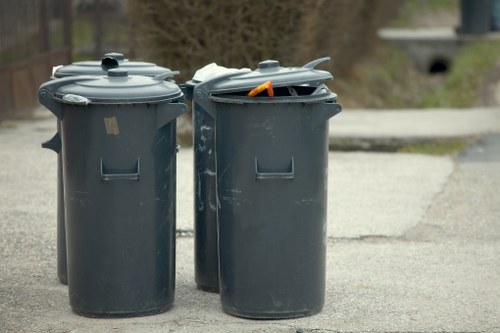
Different commercial settings produce different kinds of waste, so a useful service has to adapt rather than follow one fixed pattern. Offices tend to generate furniture, paper and equipment; shops can produce packaging, shelving and unsold stock-related waste; storage rooms often contain broken fixtures, mixed materials and items that have simply accumulated over time. Our commercial clearance work is designed to deal with those variations in a practical way, with attention to what must be removed and what should stay in place.
If the premises include locked stores, loft areas, garages or underused rooms, the type of waste can become even more mixed. In those situations, it may be more suitable to think in terms of a wider property clear-out rather than a single item collection. Services such as garage clearance, loft clearance or home clearance may fit residential properties, while commercial premises are often better served by a business-specific approach that handles the workplace layout and its waste streams properly.
The final step is usually the simplest: choose the service that matches the waste you actually have, not the waste you hope will disappear in one go. If the load is ready, the area is accessible and the collection point is clear, arranging the removal becomes much easier. For a straightforward next move, request a quotation and tell us what needs clearing.